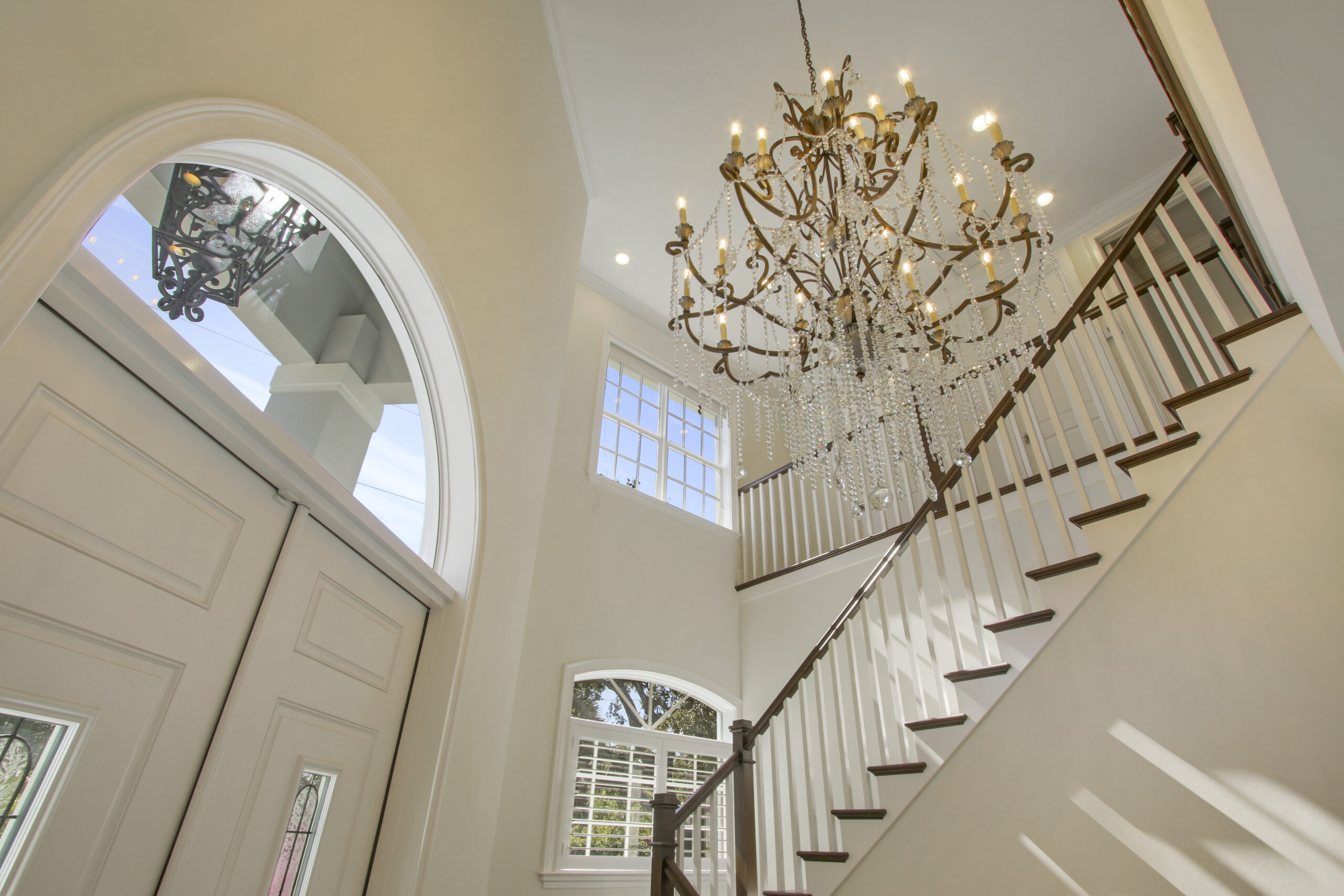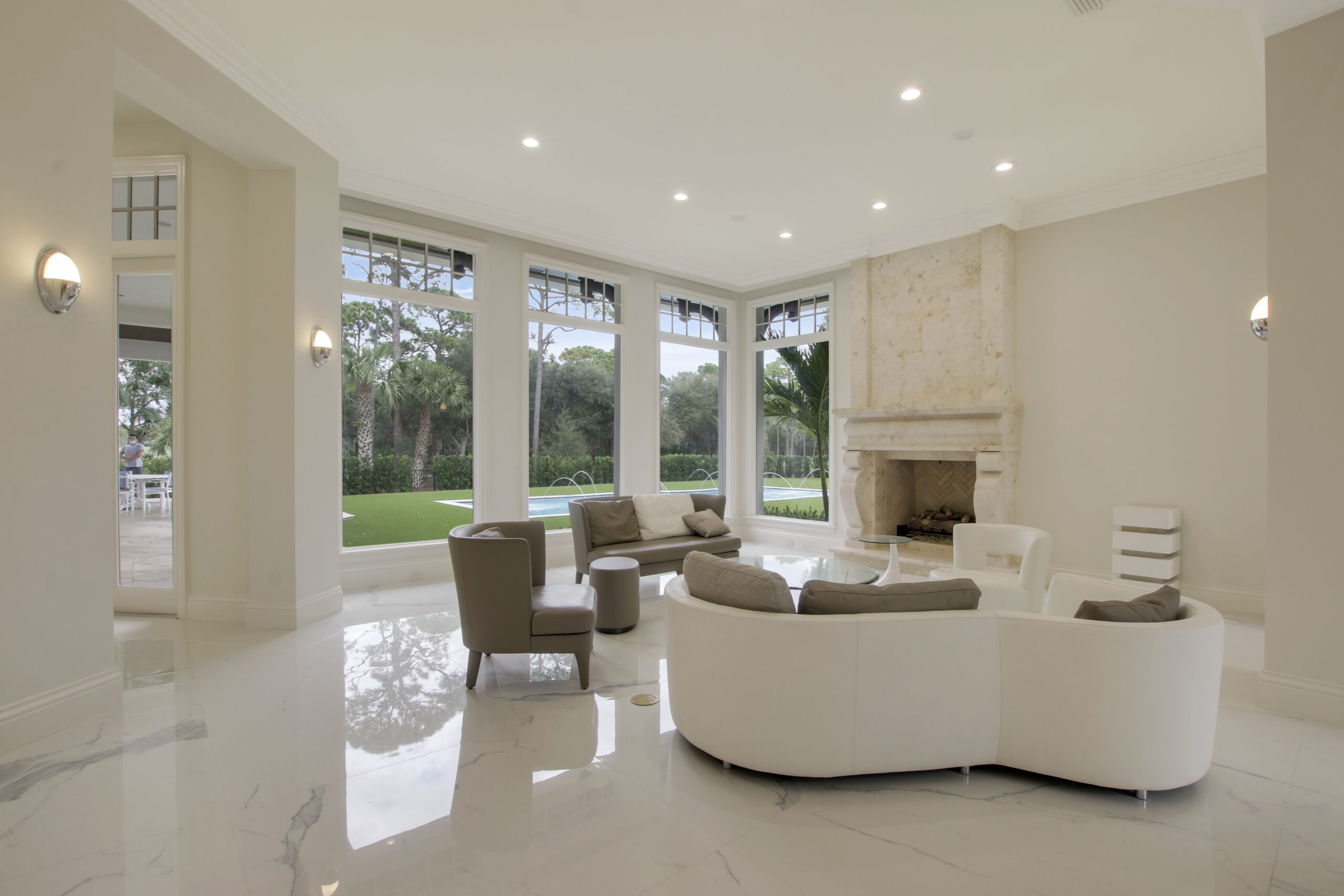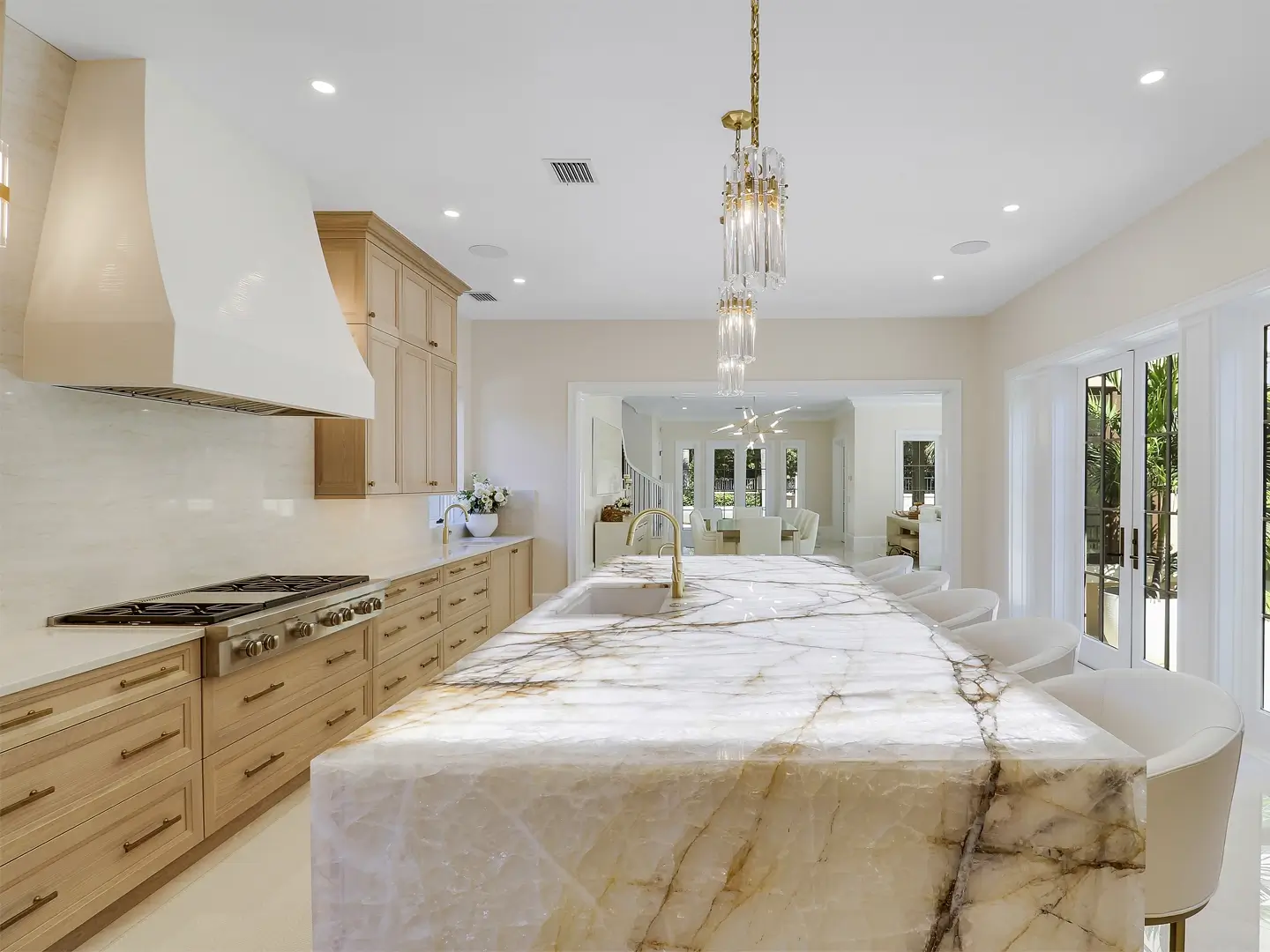
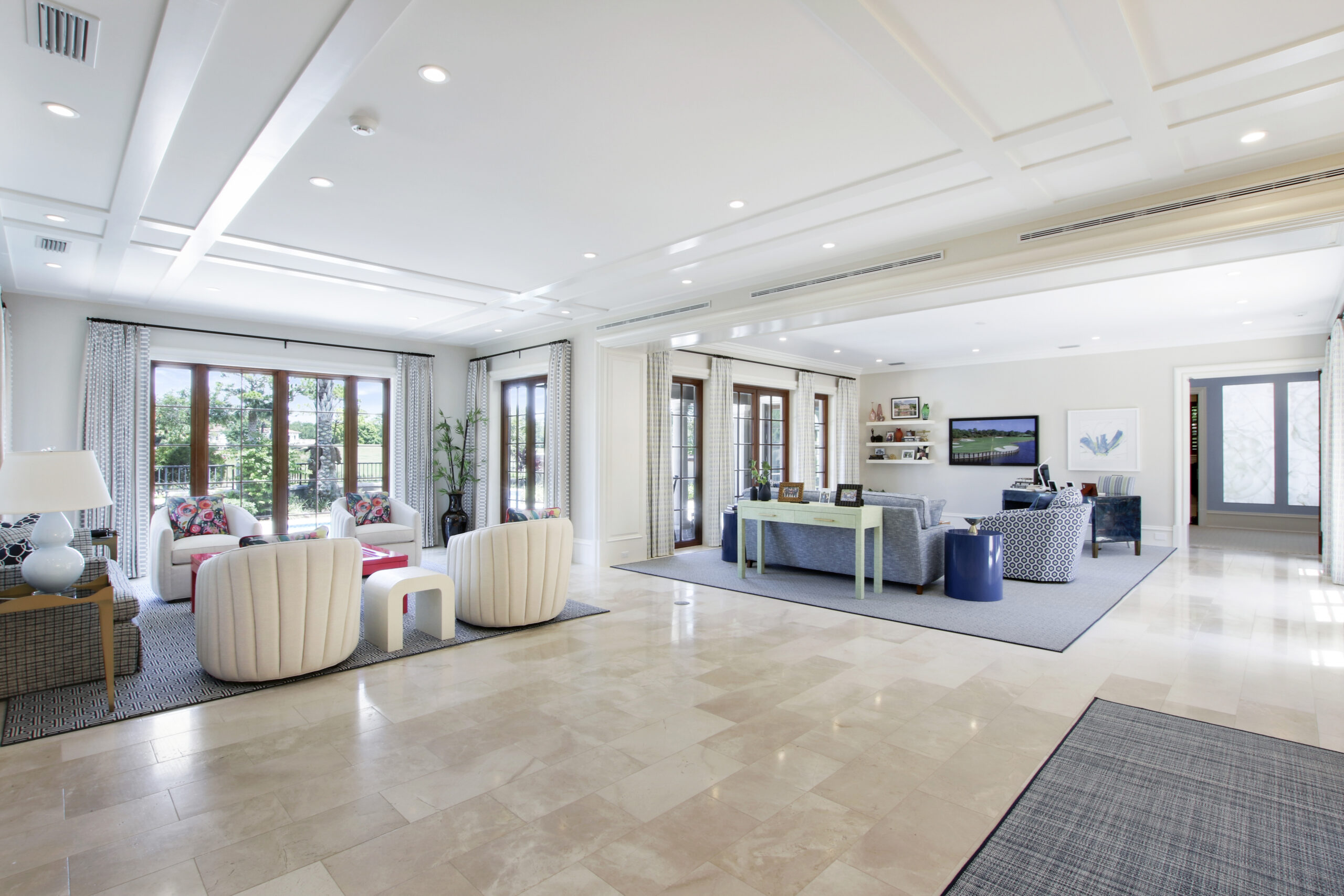
From April to November, your AC suddenly hums. Every heat wave increases your power bill. It can be extremely expensive to maintain a big, lovely home in South Florida. It doesn’t need to. Today, homeowners are creating energy efficient luxury home Florida that use significantly less power while remaining dry, cool, and quiet. More than one device holds the key.
Let’s dive in and learn about its four systems functioning together as a team: insulation, HVAC, glazing, and solar.
What Is An Energy Efficient Luxury Home Florida?
An energy efficient luxury home Florida is one that is built to keep heat out, humidity in check, and make its own clean electricity. It combines rooftop solar, sun-control glass, high-efficiency cooling, and a sealed, well-insulated shell. This leads to lower bills, consistent comfort, and a home that stays valuable.
Why Does Florida Require A Different Approach?
Homes in Florida need a lot more energy to dry and cool the air than to heat it. The true issue is heat and moisture, which are overlooked by designs built for colder climates.
What Are The Four Core Systems?
| System | Main Job | Key Spec to Ask For |
| Insulation | Stops heat from entering | Sealed attic, R-30 to R-49 |
| HVAC | Cools and dries the air | Variable-speed, high SEER2 |
| Glazing | Blocks solar heat | SHGC of 0.23 or lower |
| Solar | Makes your own power | Sized to your yearly use |
Even though each system works well on its own, working together they achieve the biggest savings.
How Does Insulation Keep A Florida Luxury Home Cool?
Insulation lowers the amount of heat that enters your cool rooms from the blistering heat outside. In Florida, a sun-baked roof is more hotter than the outside air, so the attic is what matters. A well-insulated, sealed attic reduces the strain on your AC and keeps ductwork cool.
Pros
- Consistent room temperatures and lower cooling costs
- Calmer rooms and better humidity control
Cons
- More expensive up front than batts or loose-fill
- Requires a humidity-control plan and a qualified installer
Which Insulation Works Best In Florida Attics?
When spray foam is applied under the roof deck, it seals and cools the attic. This protects air handlers and ductwork from intense attic heat.
Do Walls Also Require Insulation?
Yes. Rigid foam or insulated concrete forms (ICF) work better with Palm Beach County’s standard concrete block walls.
A cool home starts with good insulation. The attic should be the starting point of any energy efficient luxury home Florida design, and the rest of the system should be sized around it.
Which HVAC System Works Best In South Florida’s Heat?
For optimal performance in South Florida, look for an inverter AC or variable-speed heat pump with a high SEER2 rating. These systems extract more moisture from the air by operating at a slower speed for a longer period of time. Make your home cool, dry, and healthy by adding fresh air ventilation and zoning.
Why Is SEER2 Important?
The amount of cooling you receive per unit of power is measured by SEER2. While premium variable-speed units go far higher, most new split systems in the Southeast must reach at least 14.3 SEER2.
Should You Add A Whole-Home Dehumidifier?
Yes, in most luxury homes. It protects wine rooms, artwork, and wood floors by keeping indoor humidity at or below 50%.
| Feature | Single-Stage AC | Variable-Speed Heat Pump |
| Upfront cost | Lower | Medium to high |
| Typical efficiency | 14.3 to 16 SEER2 | 18 to 22+ SEER2 |
| Humidity control | Fair | Excellent |
| Noise | Louder on/off cycles | Quiet and steady |
| Best for | Tight budgets | Large luxury homes |
Right-sized systems work best, not ones that are too big. A system that is the right size is the most important part of an energy efficient luxury home Florida that homeowners want.
How Long Does An HVAC System Last In Florida?
They usually last 10 to 15 years in Florida’s hot, humid air. That can be shortened by coastal salt. Systems can last longer with yearly maintenance and coil cleaning.
Which Glass And Windows Are Ideal For A Luxury Home In Florida?
Impact-rated, low-E windows with a low solar heat gain coefficient (SHGC) are ideal for a luxury home in Florida. SHGC is set at 0.23 or less for the Southern zone by ENERGY STAR. This glass keeps heat and UV rays out while letting clear views of the water through.
What Does SHGC Mean?
SHGC measures how much heat from the sun travels through glass on a scale of 0 to 1. It’s preferable to be lower in Florida.
Very easy ways to cool glass down:
Choose low-E coatings that are spectrally selective.
- Add covered lanais and deep roof overhangs on the west and south sides.
- Don’t put too much huge, unshaded glass facing west.
- Choose frames that are insulated or thermally broken instead of plain aluminum.
Are Impact Windows Energy Efficient?
Yes, they can. Laminated impact glass with a low-E coating helps keep heat and noise from the street out and protects against hurricanes.
Glass is the perfect blend of luxury and efficiency.
Are Solar Panels In Palm Beach Gardens Worth The Investment?
Because South Florida has strong sun all year, solar is often a good idea in Palm Beach Gardens. Panels reduce the amount of electricity you consume from the grid, and a battery provides storm backup. To be energy efficient, a home also needs a smaller, less expensive solar array.
What Changed With Solar Tax Credits?
Systems installed after December 31, 2025, were no longer eligible for the 30% federal Residential Clean Energy Credit. Solar equipment is still exempt from sales tax in Florida, as is the added value of a home from property tax.
Do You Need To Install A Battery?
When the sun goes down, or there is an outage, a battery saves the power from the sun till morning. Many owners in hurricane-prone areas consider backup power to be essential.
| Feature | Solar Only | Solar + Battery |
| Upfront cost | Medium | High |
| Lowers monthly bills | Yes | Yes |
| Power during outages | No | Yes |
| Maintenance | Very low | Low |
| Best for | Bill savings | Storm-ready homes |
Prioritize building efficiency before adding solar. The energy efficient luxury home Florida homeowners can depend on, even during storm season, is completed by solar.
How Do You Plan An Energy Efficient Luxury Home In Florida?
In order to plan one, you must first fix the building shell before sizing the solar and cooling systems. Upgrades to efficiency increase the initial cost. Over time, lower expenses, fewer repairs, and increased resale value frequently offset some of that cost.
How Much Does It Cost To Own Each Upgrade?
| Upgrade | Upfront Cost | Payback Speed | Maintenance |
| Attic spray foam | Medium | Fast | Very low |
| Variable-speed HVAC | Medium | Medium | Yearly service |
| Impact low-E glass | High | Slow (adds storm safety) | Low |
| Solar + battery | High | Medium to slow | Low |
What Steps Are Involved?
1. Set your budget, comfort, and design goals.
2. Obtain a Manual J load calculation and an energy model.
3. Insulate and seal the walls, attic, and roof.
4. Decide on the shading and glazing for each side of the house.
5. Make sure the dehumidification and HVAC systems are the appropriate size.
6. Adjust storage and solar power to the remaining load.
A trusted contractor like Urban Building Concepts in Palm Beach Gardens takes this shell-first approach with every custom project.
Conclusion
The energy efficient luxury home Florida homeowners deserve features layers of protection from the heat. Choose solar-control glass, properly size a variable-speed system, and seal and insulate the shell. After that, add solar to cover the remaining space. All set to plan yours? Contact your local professional contractor.
Frequently Asked Questions
1. How much can an efficient luxury home save on energy?
Savings depend on size, design, and daily habits. A tight shell and right-sized HVAC cut cooling loads sharply. An energy model gives real numbers for your plans.
2. Do efficient homes resell for more?
Many buyers value lower bills and storm-ready features. Solar, impact glass, and newer HVAC are strong selling points. A HERS Index score or ENERGY STAR label helps prove performance.
3. What is a HERS Index score?
A HERS Index score rates a home’s energy use. Lower scores mean a more efficient home. A score of 100 matches a standard new home. A score of 0 means the home makes as much energy as it uses.
4. Do Palm Beach Gardens homes need impact windows?
Palm Beach County sits in a wind-borne debris region under the Florida Building Code. Windows and doors need protection from flying debris. Owners can choose impact glass or approved storm shutters. Most luxury buyers pick impact glass for its daily comfort and quiet.
5. How often do these systems need maintenance?
HVAC systems need professional service at least once a year. Solar panels need an occasional rinse and a yearly inspection. Batteries need little care beyond software updates. Insulation and impact glass need almost no upkeep.