
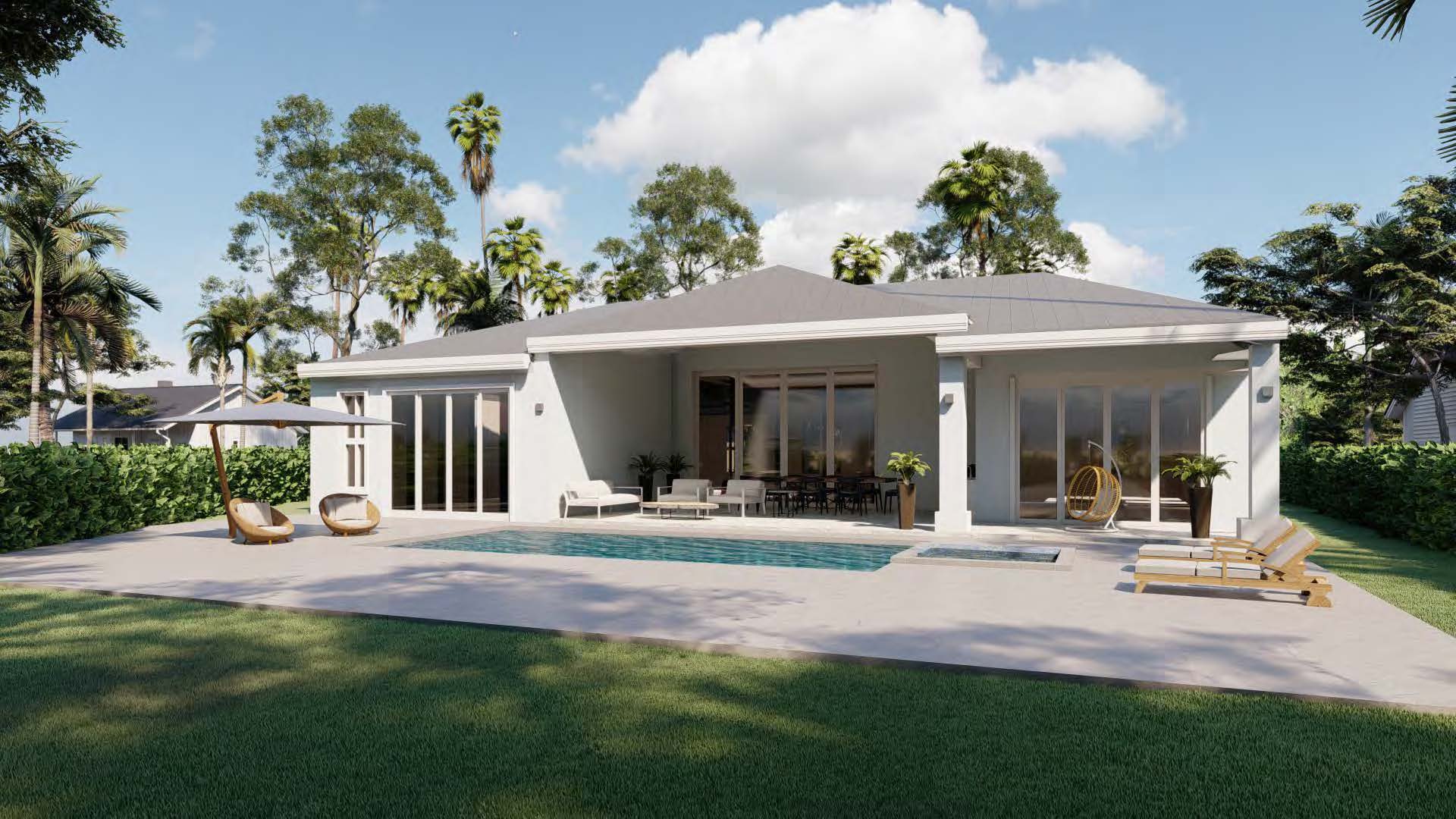
There is much more to building a luxury home in Palm Beach Gardens than just building expenses. The final cost is determined by a number of factors, each of which contributes differently to the overall investment: design, utilities, permitting, and closing fees.
You can create an accurate budget and prevent unpleasant surprises later in the construction process by being aware of the fees for luxury new construction early on. This guide explains what to anticipate, what builders usually provide, and how to protect your budget right away.
What Are The Fees For Luxury New Construction In Florida?
Beyond labor and materials, luxury new construction fees are additional expenses. These include closing expenses, government fees, professional fees, soft costs, and utility expenses. When combined, these costs can raise the overall fees for luxury new construction by tens of thousands of dollars.
Construction And Soft Costs
Labor and materials are included in construction costs. Soft costs include design, permitting, and administrative work that must be completed before and during the construction process.
Government And Professional Fees
Permits and impact fees that local governments collect are examples of government fees. Architects, engineers, and consultants are compensated for their expertise through professional fees.
Utility And Closing Costs
Your home’s utilities include power, water, and sewage. At the end of the process, closing costs include legal, title, and loan-related expenses.
These factors work together to determine your project’s total cost. Budgeting for a luxury property is far less stressful and more accurate when you are aware of each one beforehand.
What Are The Common Fees When Building A Luxury Home In Florida?
Common fees for luxury new construction in Florida include permitting, design, utility, impact, and site work expenses. Requirements related to the coast and hurricanes frequently result in additional fees. Each cost is determined by your home’s design, municipality, and lot.
Design And Engineering Fees
The professional work needed before construction starts is covered by design and engineering fees. These services verify that your house meets Florida’s safety and structural requirements.
- Architectural Design: custom plans and modifications
- Structural Engineering: foundation design and wind load calculations
- Land Surveys: tree, elevation, and boundary surveys
- Soil Testing: geotechnical reports for foundation planning
Impact And Permit Fees
Your local municipality charges impact and permit fees, which differ depending on the area. They provide funding for public services including utilities, roads, and schools.
- Permits for construction, mechanical, electrical, plumbing, roofing, and swimming pools
- Impact fees for parks, schools, transportation, and utilities
- HOA architectural review; permit fees; and deposits
Site, Utility, And Finishing Fees
- Site and finishing fees set up your property and finish the internal and external of your house.
- Water, sewage, electricity, gas, and internet connections
- Well and septic fees in the absence of public utilities
- Grading, demolition, fill dirt, and site clearing
- Environmental research on protected species or wetlands
- Flood, liability, and builder’s risk insurance
- Landscaping, pool or outdoor living expenses, and interior design
- Closing expenses, such as loan, title, and recording fees
Depending on lot conditions and design decisions, these costs can differ significantly. Before construction starts, a comprehensive budget should take all of these factors into consideration.
Which Fees Are Usually Included In A Builder’s Quote?
Builder quotes usually cover materials, labor, project management, and warranty coverage. Surveys, landscaping, architectural plans, and permits are frequently billed individually. Reviewing your contract in detail reveals exactly what is covered.
Comparing Separate And Included Costs
Budget surprises can be avoided by comparing what is included and what is separate. Ask your builder to confirm exclusions in writing at all times.
| Usually Included | Often Separate |
| Labor | Permits |
| Materials | Architectural plans |
| Project management | Survey |
| Basic inspections | Impact fees |
| Warranty | Landscaping |
Your budget is protected by making these details clear before signing. A builder who is transparent will explain each line item without hesitation.
How Much Should You Budget For Additional Fees?
Set aside funds beyond your construction contract to cover any additional fees. These additional fees usually include utility connections, professional services, permits, and architectural upgrades. Your lot, location, and finishes will determine exactly how much.
Common Additional Expense Categories
- Design and material upgrades
- Permits and impact fees
- Professional services (engineers, surveyors, architects)
- Site preparation
- Utility connections
What Affects Your Total Budget?
- Home size and layout
- Level of luxury finishes
- Location and lot conditions
- Municipality requirements
Every realistic budget includes a contingency fund. Financial stress during the project is lessened by preparation.
What Are The Best Tips To Avoid Unexpected Construction Fees?
Hiring a professional luxury builder and asking for a thorough estimate can help you avoid unexpected expenses. Before you sign your contract, make sure all exclusions are clear. You can save money by reviewing your permit and HOA responsibilities early on.
Before You Sign
- Confirm exclusions in writing
- Hire a professional luxury builder
- Request a detailed, itemized estimate
During Planning And Construction
Check for early utility availability
- Plan a contingency budget
- Review permit responsibilities
- Understand HOA requirements
Early action avoids expensive surprises later. Maintaining open lines of communication with your builder helps you stay inside your budget.
Why Do Florida Luxury Homes Often Have Higher Fees?
Due to stringent hurricane and flood regulations, Florida luxurious homes are frequently more expensive. Additional expenses include premium inspections, wind-resistant building, and coastal engineering. There are other rules that apply to waterfront properties.
Flood And Hurricane Requirements
- Coastal engineering requirements
- Flood zone compliance
- Wind-resistant construction standards
Energy And Inspection Standard
- Energy efficiency requirements
- Premium inspections
- Waterfront regulations
Long-term home and investment protection is provided by these additional requirements. They are a major factor in the higher fees for luxury new construction development in Florida compared to many other states.
Conclusion
Knowing every fees for luxury new construction safeguards both your budget and your peace of mind. Before you sign a contract, you should pay attention to the design, permits, utilities, closing fees, and construction costs. Working with a professional Florida luxury home builder guarantees accurate quotes and clear guidance during the whole planning, budgeting, and permitting process.
Frequently Asked Questions
1. What fees are not included in home construction?
Most builder contracts leave out permits, architectural plans, and land surveys. Impact fees and landscaping are usually separate too. Insurance and closing costs are also billed apart. Always review your contract to see what’s excluded.
2. Are permit fees included in a builder’s estimate?
Permit fees are sometimes included, but not always. Many builders bill them separately since costs vary by municipality. Some estimates only cover the application process. Ask your builder to confirm this before signing.
3. What are Florida impact fees?
Impact fees fund public services affected by new construction. They cover roads, schools, parks, and utility upgrades. Local governments set these rates based on growth needs. Rates vary by county and municipality.
4. How much should I budget beyond construction costs?
Budget an additional amount for permits, design, and utility connections. The exact figure depends on your lot and finishes. Coastal or waterfront lots often need a larger reserve. A contingency fund helps cover unexpected costs.
5. Who pays permit fees?
The homeowner or builder typically pays permit fees, depending on the contract. Some builders include these costs upfront. Others bill them separately as they occur. Confirm this detail before construction begins.
5. Are HOA approval fees required?
HOA approval fees apply if your community has an architectural review board. These fees cover plan review and compliance checks. Deposits may also be required until construction is complete. Not every neighborhood requires them.
6. Are luxury homes more expensive to permit?
Luxury homes often cost more to permit due to their size and features. Pools, elevators, and custom systems require added inspections. Larger square footage can also raise permit fees. Coastal locations add further requirements.
7. Can a builder help reduce unexpected costs?
An experienced builder can help you plan for hidden fees. They provide detailed estimates and explain exclusions clearly. They can also flag site issues before they become costly problems. Choosing the right builder reduces financial surprises.
