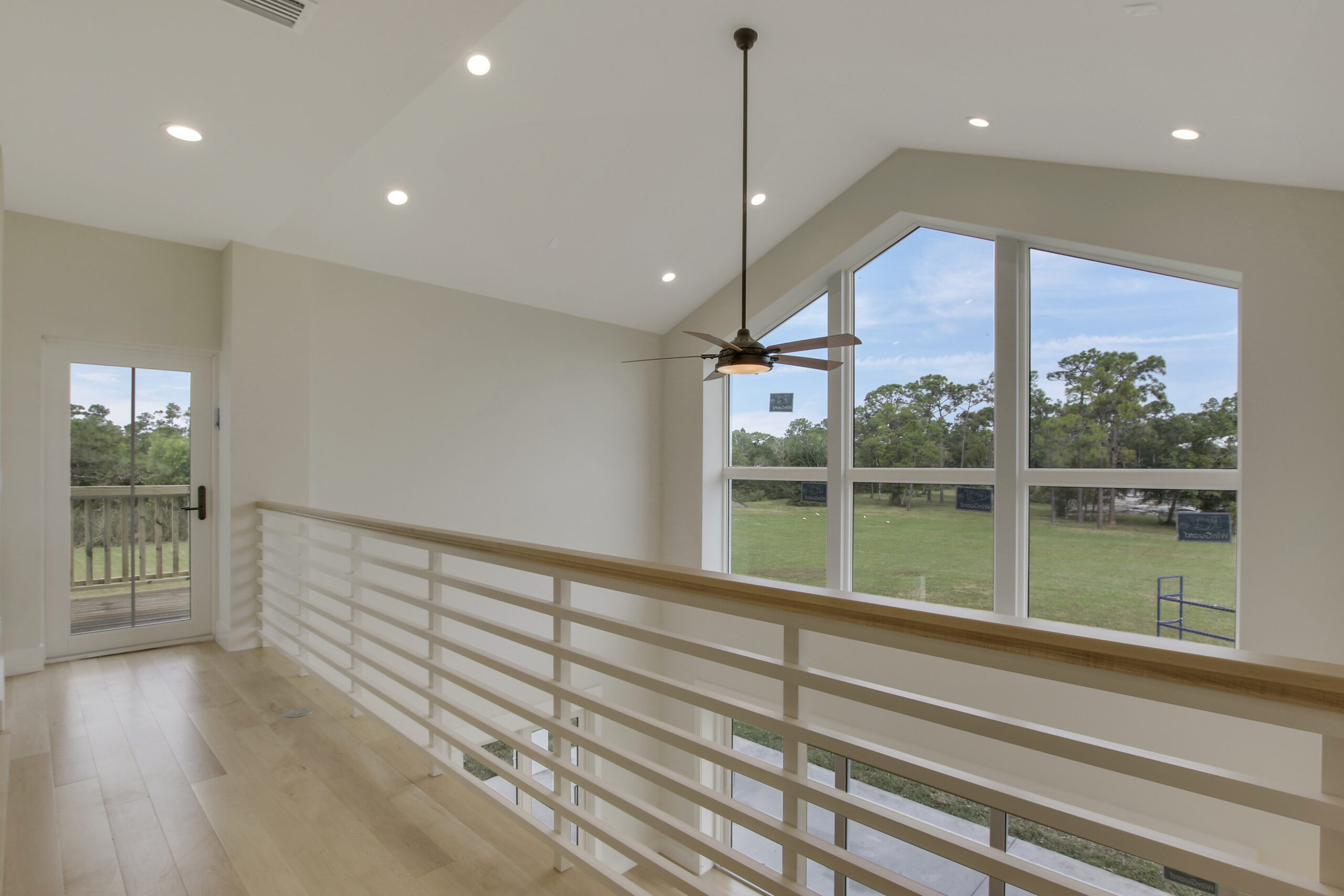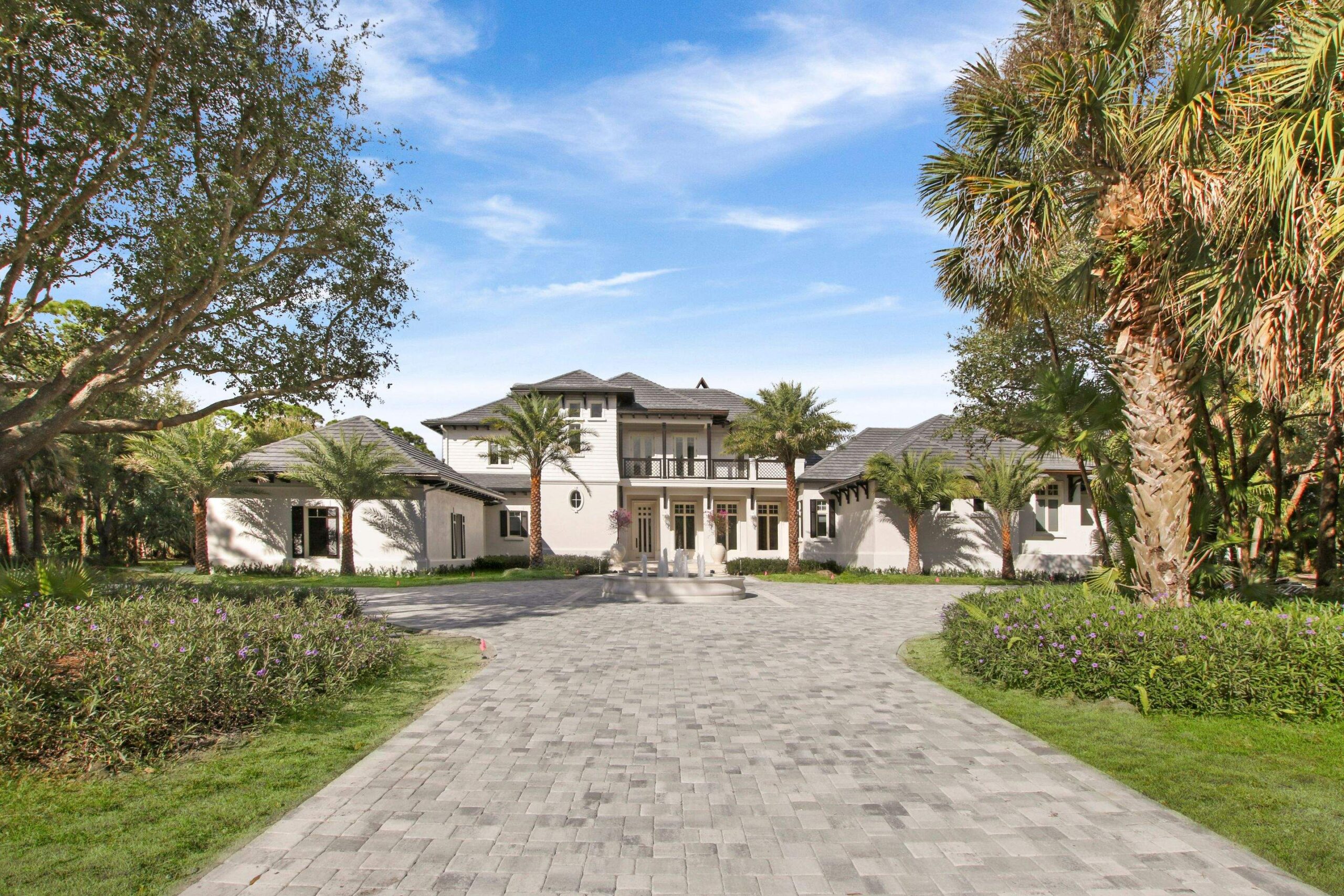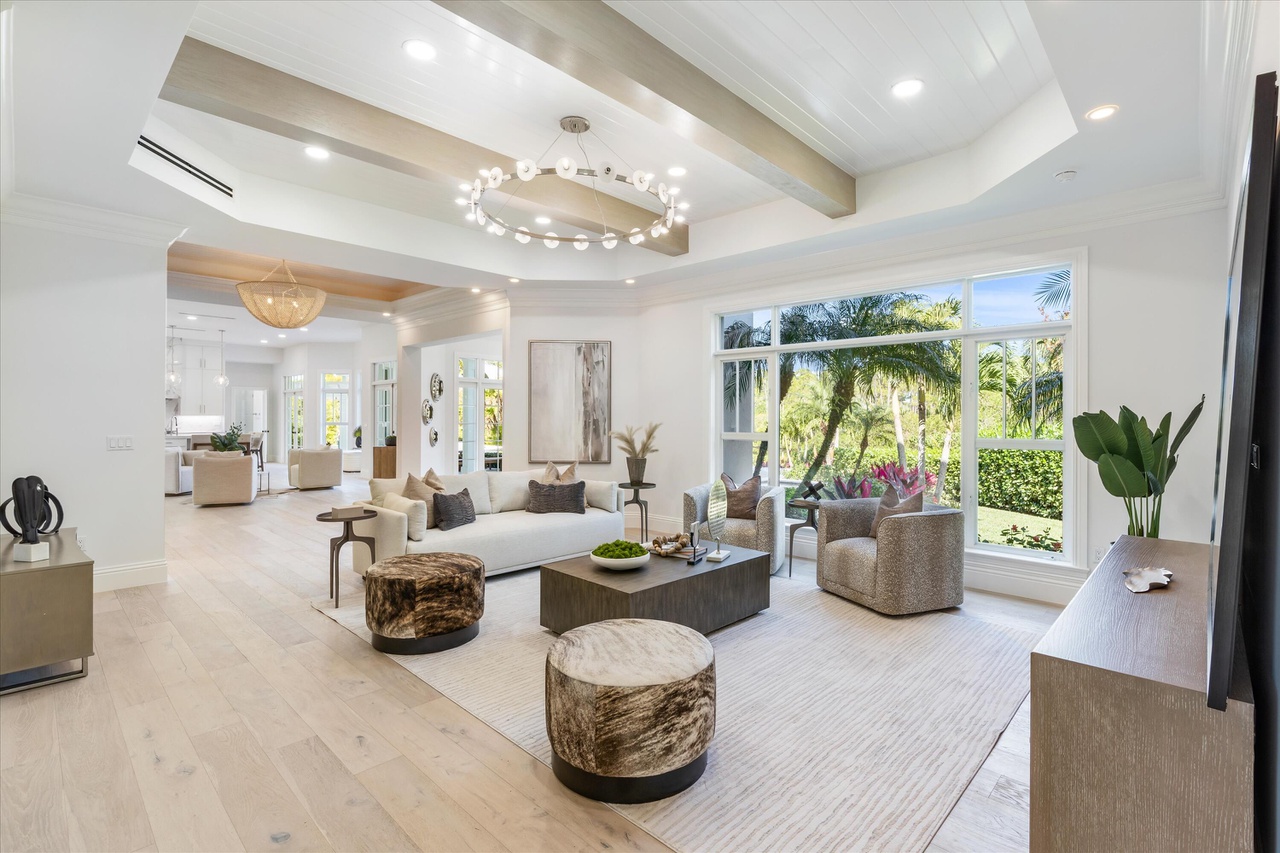
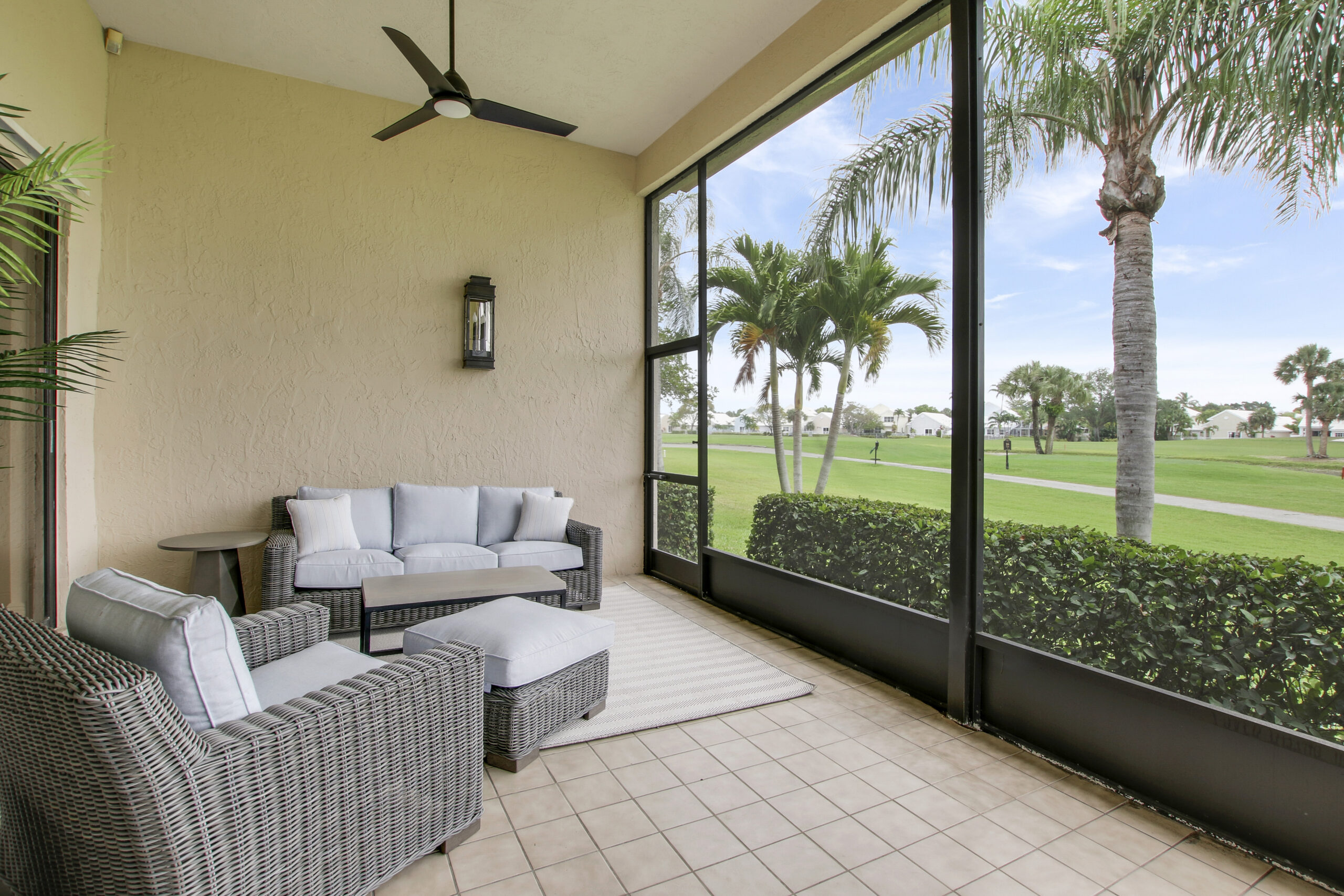
The glass cost for high-end Florida custom homes can be a major part of your construction budget, especially when your design includes large windows and expansive glass walls. Want floor-to-ceiling windows, wide glass doors, or uninterrupted views of the water? Those features can quickly increase costs.
Large glass systems are more expensive than standard windows because Florida homes must meet strict wind and hurricane requirements. The final price can also vary based on the glass type, size, framing system, installation, and location. Using a basic window price or rough estimate may leave you with an unrealistic budget.
This guide explains what to expect when budgeting for glass in a high-end Florida custom home. You will learn what affects glass prices, how hurricane-rated systems change costs, and which glass features can have the biggest impact on your overall budget.
How Much Does Glass Cost For High-End Florida Custom Homes?
Luxury glass installations in Florida usually cost between $40 to $120 per square foot. The cost is calculated by the hurricane rating, panel size, and type of glass. Complete glass installation kits for high-end homes usually cost $150,000 to $500,000 or more.
One of the least expensive options is standard impact windows. At the top are custom architectural glass walls.
Material And Installation Costs
About 40–60% of the entire glass budget goes on materials. The rest covers the cost of framing, labor, and building support.
Typical Project Budgets
Usually, 8 to 12% of the total cost of building a luxury home in Palm Beach Gardens goes to glass and glazing.
| Glass Type | Estimated Cost per Sq Ft | Best For |
| Standard Impact Glass | $25 to $45 | Budget-conscious builds |
| Low-E Insulated Glass | $40 to $70 | Energy efficiency |
| Custom Architectural / Frameless | $80 to $150+ | Luxury statement walls |
These numbers are just rough estimates because costs depend on the supplier, the size of the panel, and the conditions of the site. A licensed glass installer or builder can give you a firm quote after looking over your architectural plans.
Does Glass Cost Rise With Home Size?
Yes. More panels and stronger structural support are needed for bigger homes, which drives up the costs of both materials and work.
What Factors Affect Glass Costs?
Final cost is influenced by a number of factors, including glass size, hurricane rating, thickness, energy features, and installation complexity. It costs more to make and install panels that are bigger, thicker, or have a lot of custom features.
Size And Thickness
Specialized tools are needed to make large panels. Although thicker glass is more impact-resistant, it costs more to make.
Hurricane Impact Rating
Coastal codes in Florida mandate rated glass in many zones. It costs more to meet Florida Building Code or Miami-Dade standards, but they are often necessary.
Custom Fabrication And Energy Efficiency
Performance is better with low-E coatings, insulated units, and argon gas fill. Custom manufacturing makes corner glass, curved glass, and frameless systems more expensive.
The overall cost is significantly influenced by the complexity of the installation:
- Cranes for large or tall panels
- Glass junction waterproofing
- Skilled, specialized labor
- Structural engineering review
Two homes of the same size can have very different glass budgets because these factors are mixed in different ways for every project. By going over each factor early on, you can set reasonable goals before the building starts.
What Types Of Glass Are Used In Luxury Florida Homes?
Standard Florida homes usually have impact-resistant, Low-E, tempered, laminated, and insulated glass. Most high-end homes use more than one type, as each serves a different purpose, from protecting against storms to saving energy.
Impact-Resistant And Laminated Glass
Impact-resistant glass keeps wind-blown objects out during storms. Outside noise is also greatly reduced by laminated glass.
Insulated And Low-E Glass Units
Low-E glass reduces cooling expenses and prevents UV rays. Insulated glass units (IGUs) make houses more comfortable by retaining heat.
Tempered Glass
Tempered glass passes safety standards because it breaks into small, dull pieces. Shower enclosures, railings, and doors frequently have it.
| Glass Type | Main Benefit | Ideal Use |
| Impact-Resistant | Storm protection | Windows, doors |
| Low-E | Energy savings, UV protection | Large window walls |
| Tempered | Safety, code compliance | Doors, railings |
| Laminated | Noise + storm protection | Bedrooms, coastal walls |
| Insulated (IGU) | Comfort, efficiency | Whole-home glazing |
To balance safety, comfort, and design, most luxury projects include two or three different types of glass. Depending on the exposure and design of your house, a builder or glazier might suggest the appropriate blend.
Why Luxury Florida Homes Need Hurricane-Rated Glass?
Hurricane-rated glass is necessary to comply with state building standards in Florida’s coastal wind zones. Rated glass keeps the house’s structure safe and can often get you a discount on your insurance.
Building Code And Wind Zone Requirements
The Florida Building Code establishes minimum requirements based on wind speed and location. In many cases, coastal counties such as Palm Beach have more stringent regulations.
Insurance And Long-Term Value
Insurance companies often lower premiums for impact glass that has been approved. Because hurricane-rated glass lowers the chance of storm damage, it also protects resale value.
- Can lower insurance premiums
- May need Miami-Dade approval
- Meets Florida Building Code requirements
- Necessary in many coastal wind zones
- Protects long-term property value
Hurricane-rated glass is an investment that protects your home’s worth, keeps you safe, and lowers your insurance costs. Skipping it rarely results in long-term cost savings.
Is Floor-To-Ceiling Glass Worth The Cost?
Luxury homes in Florida think that floor-to-ceiling glass is worth the extra money. Although it increases engineering and installation costs, it also improves landscape views, natural light, and property value.
Advantages
Interiors with large glass walls are bright, airy, and provide unhindered views. Adding them to your home also makes it look modern and expensive.
Disadvantages
More engineering and support are needed for bigger panels. As panel size increases, so do maintenance and cleaning costs.
| Category | Advantage | Tradeoff |
| Views | Unobstructed ocean or landscape views | Higher installation cost |
| Light | More natural daylight | More engineering required |
| Value | Boosts resale value | Higher maintenance |
For most luxury and oceanfront homes, the extra cost is worth it because of the better living and value they bring. Budget-conscious homeowners may limit floor-to-ceiling glass to only the most important rooms.
What Is The Difference Between Luxury And Standard Glass?
While standard glass is less expensive, it has fewer features in terms of performance and design. Although luxury architectural glass is more expensive, it offers strength, energy efficiency, and a unique appearance.
| Feature | Standard Glass | Luxury Architectural Glass |
| Cost | $ | $$$ |
| Energy Efficiency | Basic | High (Low-E, insulated) |
| Design Options | Limited | Frameless, curved, oversized |
| Hurricane Rating | Meets minimum code | Often exceeds code |
| Best For | Budget-driven builds | High-end custom homes |
Standard glass works well for projects with a tight budget or additional spaces. Higher-priced luxury glass is worth it in main living areas with views, lots of light, and good design.
Frequently Asked Questions
1. How much does impact-resistant glass cost?
Impact-resistant glass typically costs $25 to $60 per square foot installed. Price depends on size, thickness, and brand. Larger custom panels cost more. Ask a local glazier for an exact quote.
2. Does Low-E glass increase home value?
Yes, Low-E glass can increase home value. It lowers energy bills and appeals to buyers. Many luxury buyers expect it in high-end homes. It also improves year-round comfort.
3. Is impact glass required in Florida?
Impact glass is required in many Florida coastal wind zones. Requirements depend on your county and wind speed rating. Some areas allow shutters as an alternative. Check local building codes to confirm.
4. Can oversized glass panels be customized?
Of course, oversized panels can be custom-made for luxury homes. They require specialized manufacturing and shipping. Installation also needs cranes and extra structural support. This raises overall project cost.
5. What is the lifespan of architectural glass?
High-quality architectural glass typically lasts 20 to 30 years. Lifespan depends on maintenance, climate, and glass type. Coastal salt air can shorten lifespan slightly. Regular cleaning helps extend glass life.
6. Does luxury glass improve energy efficiency?
Yes, luxury glass often includes Low-E coatings and insulated units. These features reduce heat transfer and cooling costs. This makes homes more comfortable in Florida’s climate. Savings can offset some upfront cost.
7. What is the best glass for waterfront homes?
Impact-resistant, laminated glass performs best for waterfront homes. It handles wind-borne debris and reduces noise. Many owners pair it with Low-E coatings. This combination balances safety and comfort.
8. Can hurricane windows reduce insurance costs?
Definitely, hurricane windows can lower insurance premiums. Insurers often offer discounts for approved impact glass. Savings vary by insurer and location. Ask your agent about specific discount programs.
Conclusion
Glass is an expensive part of many high-end Florida homes, often costing as much as the main structure itself. The final glass cost for high-end Florida custom homes is determined by the type, size, hurricane rating, engineering, and complexity of the installation. A professional custom house builder like Urban Building Concept can help you achieve a balance between long-term value, performance, and aesthetics.
“If you’re planning a high-end build in Palm Beach Gardens or nearby, consult a luxury custom home builder for tailored recommendations and project-specific pricing.”